






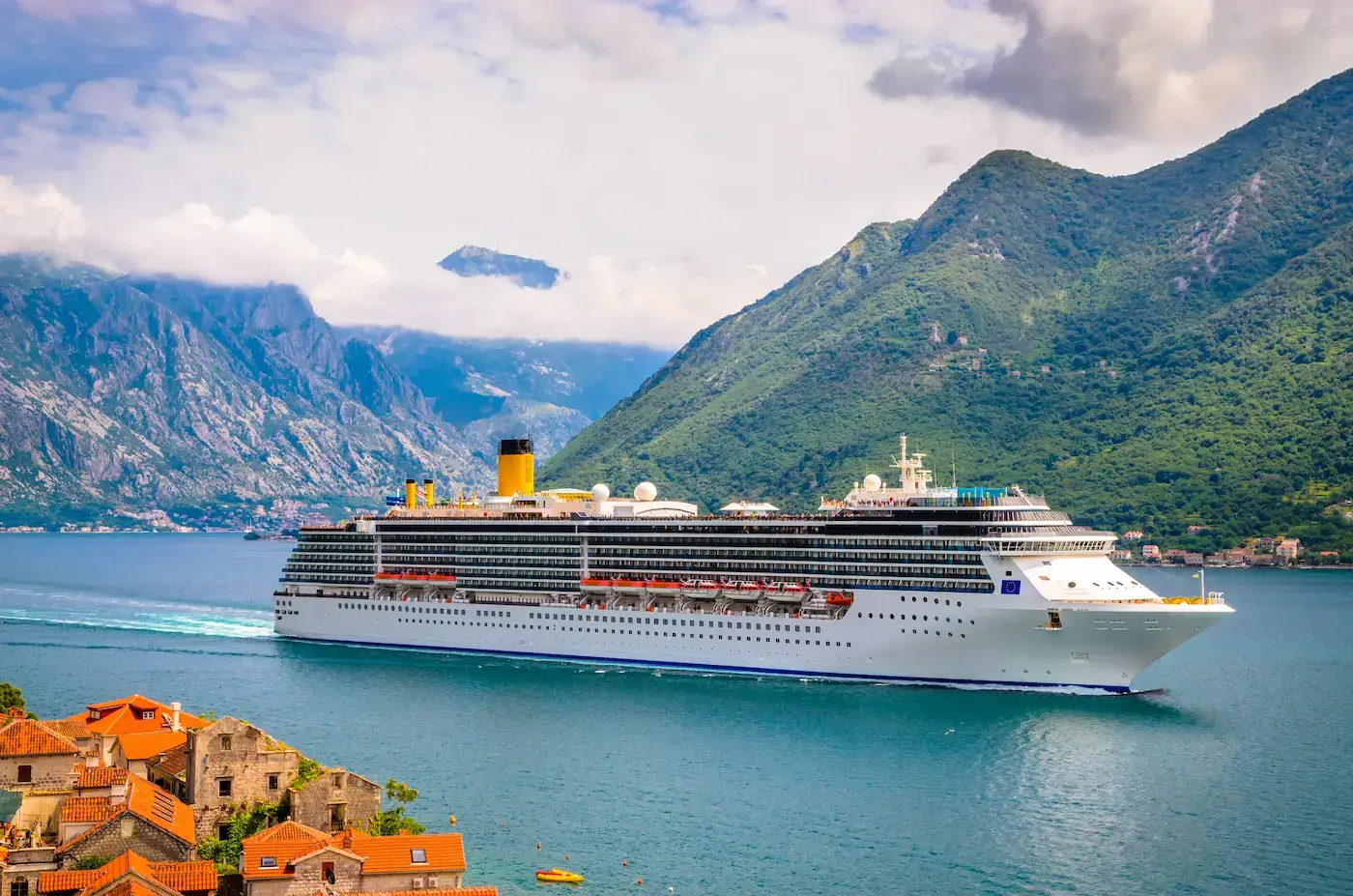
A closed loop cruise is a cruise that begins and ends at the same U.S. port. For example, if you depart from Miami, sail to several Caribbean destinations, and then return to Miami, that’s considered a closed loop cruise.
One reason travelers like closed-loop cruises specifically is U.S. immigration rules allow some travelers to sail without a passport under certain conditions. Instead of a passport, you may be able to travel with a government-issued photo ID (like a driver’s license), and/or an original or certified copy of your birth certificate.
An Important Note on Cruising Without a Passport
Even though closed loop cruises technically allow U.S. citizens to travel with just a birth certificate and government-issued ID, we strongly encourage every traveler to get a passport anyway.
While it may be legally permitted, traveling without a passport comes with real risks that many first-time cruisers many not think about.
For example, complications can arise if:
- You miss the ship while in a foreign port
- You experience a medical emergency that requires you to disembark
- The ship has a mechanical or weather-related emergency that changes your itinerary
- You need to unexpectedly fly home from another country
In any of these situations, you can’t simply board an international flight back to the United States without a passport. Travelers without one often face time-consuming paperwork with U.S. embassies or consulates, unexpected hotel stays, last-minute transportation costs, and significant stress trying to arrange emergency documentation.
So even though you don’t technically need a passport for a closed loop cruise, having one is strongly recommended. Some cruise lines also require passports even for closed loop cruises.
If you do decide to cruise without a passport, we also highly recommend purchasing comprehensive travel insurance (when you plan your vacations with us, your Travel Advisor will make it easy to select the best insurance for your trip). A good travel insurance policy can help cover unexpected costs related to trip interruptions, medical emergencies, evacuations, and travel delays, which becomes even more important if you are traveling without the flexibility a passport provides.
At the end of the day, a passport is not just a requirement – it’s your most reliable safety net in case something unexpected happens on your trip.

How a Closed Loop Cruise Works
Typically, the cruise departs from a U.S. port, visits one or more international destinations, and then returns to the same port where the trip began. Because the cruise begins and ends in the same location, it follows special travel documentation rules for U.S. citizens.
Here’s how the process typically goes.
Step 1: Departure From a U.S. Port
Your cruise begins at a U.S. departure port such as Miami, Fort Lauderdale, Galveston, Seattle, or Los Angeles. Before boarding, you must complete the check-in process with the cruise line and present your required travel documents.
Depending on your citizenship and the cruise itinerary, you may be able to board with:
- A valid passport
- A passport card
- An original birth certificate and government-issued photo ID (for U.S. citizens on qualifying closed loop cruises)
After verification, you’ll go through security screening similar to an airport before boarding the ship.
Step 2: Visiting International Cruise Destinations
During your cruise, the ship will typically stop at international ports like Mexico, the Bahamas, Canada, or Caribbean islands. While you’re visiting these destinations, you usually will not need to show your passport when leaving the ship for short excursions, but you must carry your cruise card and sometimes a photo ID.
The cruise line manages most immigration procedures while you are on the voyage, which makes the process much simpler than traditional international travel (but again, passports are strongly recommended).
Step 3: Returning to Your Original Port
At the end of the cruise, the ship returns to the same U.S. port where your trip began. This is what officially makes it a closed loop cruise.
When you return, you will go through U.S. Customs and Border Protection screening. At this point, you will again present your travel documents to verify your identity and citizenship.
Because the cruise both started and ended in the United States, U.S. citizens who used approved alternative documents (like a birth certificate and ID) are generally allowed to reenter without a passport.

From the US, can you cruise to the Caribbean without a passport?
Islands throughout the Caribbean are popular stops on closed loop itineraries. If your cruise starts and ends in the same U.S. port, you may be able to visit destinations such as:
- The Bahamas
- Mexico
- Jamaica
- Grand Cayman
- Cozumel
- Puerto Rico (a U.S. territory)
- U.S. Virgin Islands (a U.S. territory)
These destinations are commonly included in closed loop Caribbean itineraries departing from ports like Miami, Fort Lauderdale, Port Canaveral (Orlando), Galveston, and Tampa.
Because you return to the same U.S. port, the Western Hemisphere Travel Initiative (WHTI) allows U.S. citizens to use alternative documentation instead of a passport.

What are the Benefits of Closed Loop Cruises?
Closed loop cruises are extremely popular (especially for first-time cruisers) because they offer several advantages.
1. A nice variety of fun, short itineraries
Cruise line itineraries (especially Caribbean and Mexican Riviera cruises) usually have an abundance of shorter itineraries – including some three-day options – for travelers who don’t want to commit to long hauls.
2. Simple round-trip planning
Because your cruise starts and ends in the same port, travel details become much easier to manage. You don’t have to worry about coordinating one-way flights or arranging transportation from a different return city.
3. Great for first-time cruisers
Because these cruises depart from major U.S. ports and often visit very accessible Caribbean destinations, they’re perfect for travelers trying cruising for the first time.
4. Convenient travel logistics
Flying internationally can be stressful and expensive, especially for families. Closed loop cruises allow you to start your international vacation while technically remaining within the U.S.
Tips for Enjoying a Closed Loop Cruise
Closed loop cruises are one of the easiest ways to take an international vacation, but a little preparation can make your trip much smoother.
Arrive at your departure port early.
If you’re flying in, it’s always a good idea, if possible, to arrive in your departure city at least one day before your cruise leaves. Flight delays, traffic, or weather issues could cause you to miss embarkation if you plan to arrive the same day. Missing your ship can be expensive and stressful.
Keep your travel documents in your carry-on bag & take photos of the important ones.
Don’t pack important documents like your ID, birth certificate, or passport in checked luggage. Always keep them in your carry-on so they stay with you during embarkation, and take photos of them just in case they get lost.
Download your cruise line’s mobile app.
Most cruise lines have apps that allow you to view daily schedules, excursions, deck maps, dining reservations, and important announcements. This can make navigating your cruise much easier.
Ready to Pack Your Bags?
Key to the World Travel® Advisors will help you plan all the details of your closed-loop cruise vacation – that includes finding the best deals, booking rooms, coordinating transportation, and more!